
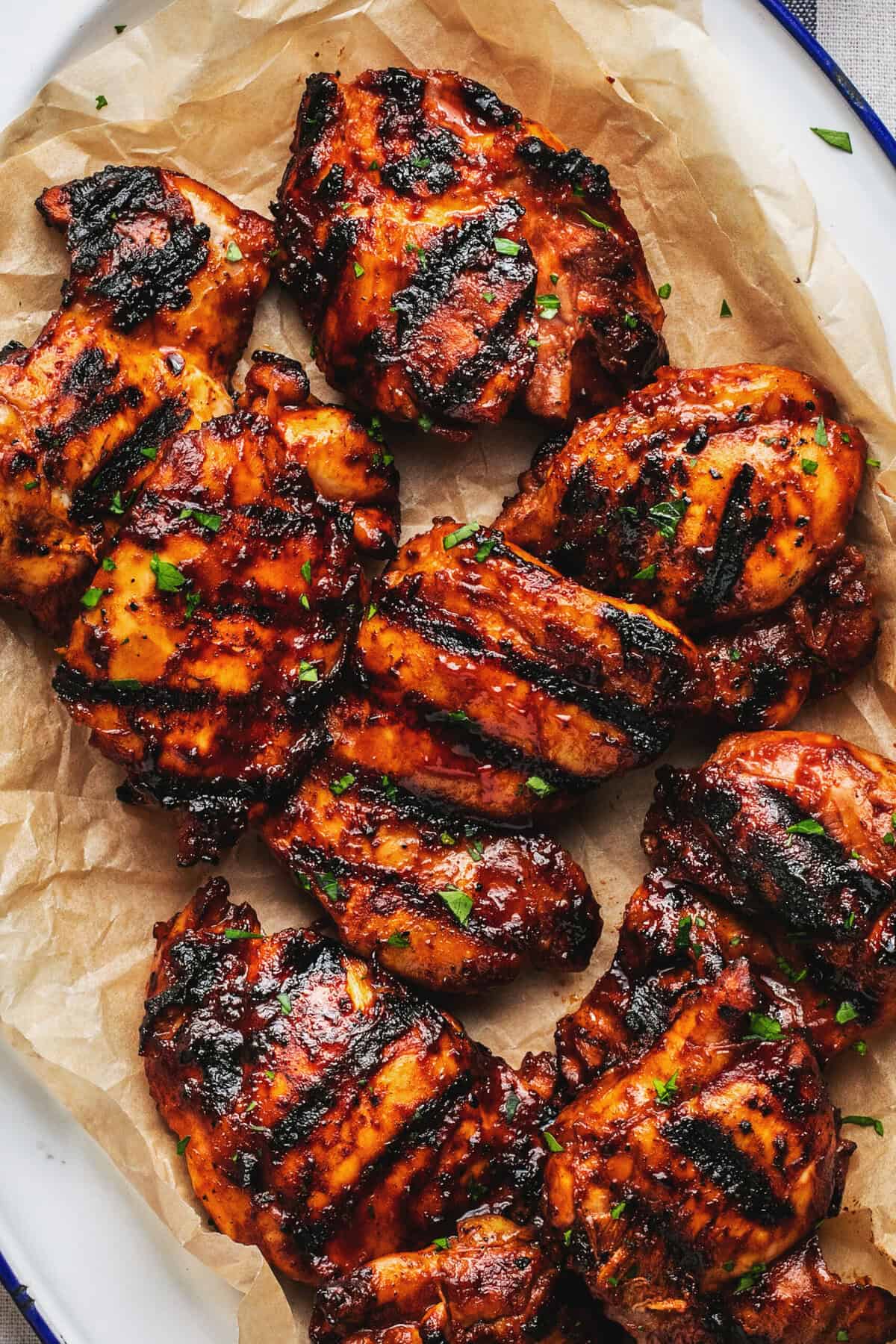
Grilled chicken has a taste that stands out. It’s smoky, bold, slightly charred on the outside, and juicy on the inside. But why does it taste so different from fried or boiled chicken?
Let’s break it down.
1: The Smoke Effect
When chicken is placed over charcoal or open flame, the fat drips down onto the heat source. This creates smoke, and that smoke rises back into the meat.
That smoky infusion is what gives grilled chicken its signature flavor — something you simply cannot get from boiling or pan-frying.
The type of charcoal or wood used also affects the flavor. Hardwood charcoal, for example, gives a richer, deeper aroma compared to gas grilling.
2: The Browning Reaction (Maillard Reaction)
Grilling uses high, dry heat. When proteins and natural sugars in the chicken are exposed to high temperatures, they react and form a brown crust.
This process creates:
- Grill marks
- Crispy edges
- Deep, savory flavor
That browned surface is packed with taste. It’s one of the main reasons grilled chicken feels richer and more satisfying.
3: Less Oil, More Natural Flavor
Unlike frying, grilling doesn’t cook the chicken in oil. Instead:
- Excess fat melts and drips away
- The meat becomes slightly firmer
- The natural chicken flavor becomes more concentrated
This is why grilled chicken tastes “cleaner” and less greasy.
4: Heat Locks in Seasoning
Marinades and spices behave differently under fire. When grilled:
- The outside caramelizes
- Spices toast slightly
- Sauces thicken and stick to the surface
This creates layers of flavor — smoky outside, juicy inside.
The longer and better the marinade, the deeper the flavor penetration.
5: The Char Factor
That slight char on grilled chicken adds bitterness and sweetness at the same time. When balanced properly, it enhances the overall flavor profile.
However, too much char can make it taste burnt, so heat control is key.
Leave a Reply